VICTORIOUS VOICES
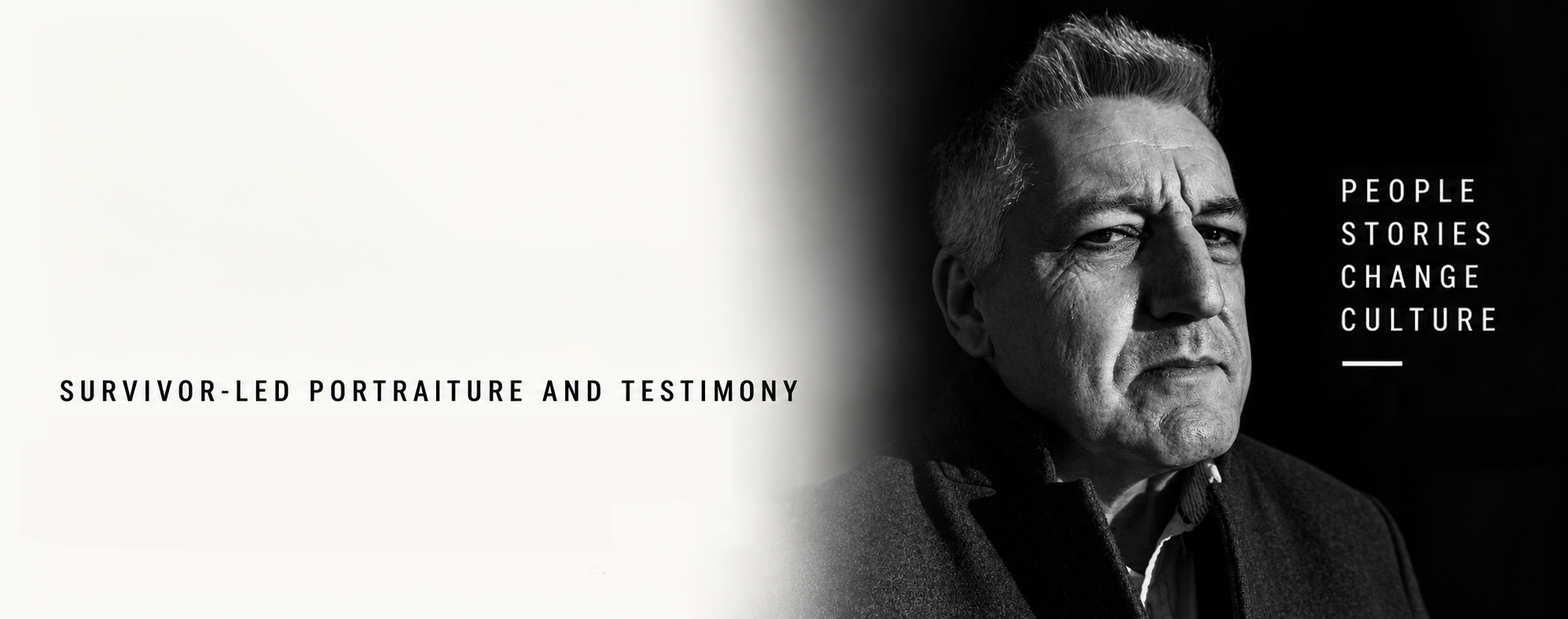
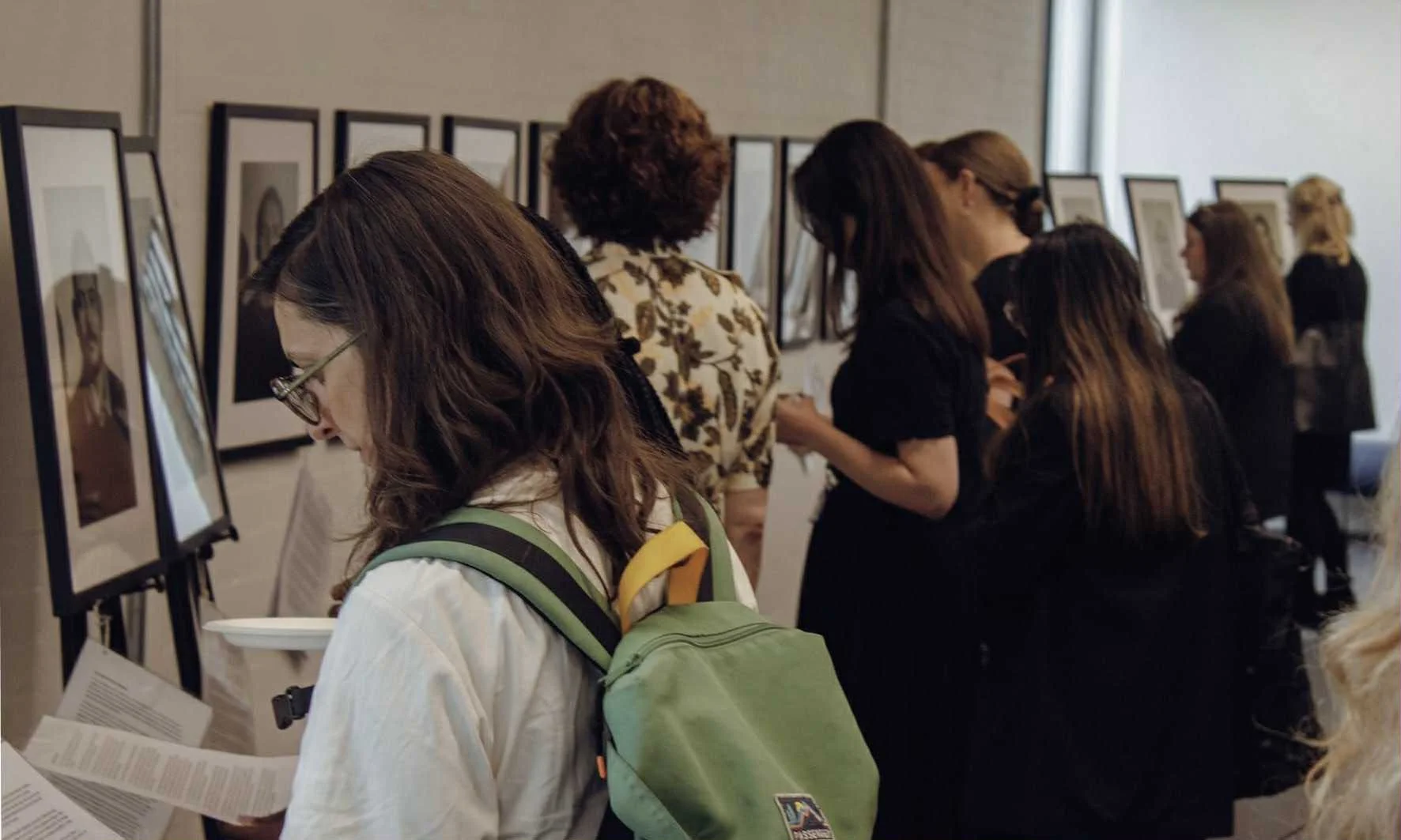
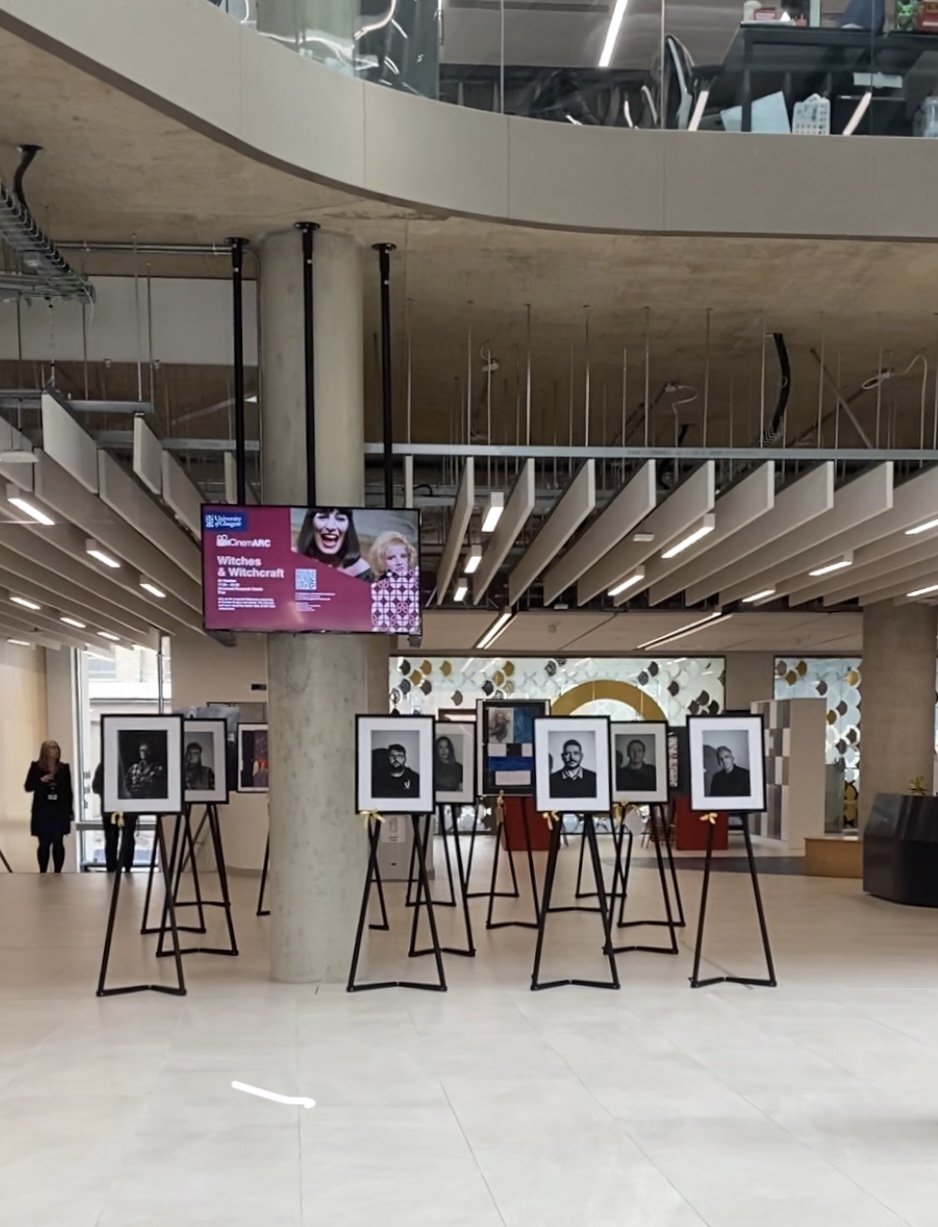
Victorious Voices is a survivor-led portrait and testimony project created by photographer and survivor Lee Cooper. It brings portraits and personal testimonies from adult survivors of childhood sexual abuse into public and cultural spaces, making survivors’ experiences part of a wider cultural conversation.
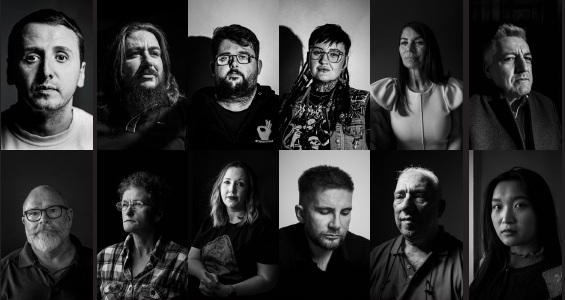
The project challenges the shame, silence and stereotypes that continue to shape how childhood sexual abuse is understood. Each portrait is created collaboratively, with participants retaining control over how they are photographed, what they share and where their story appears. Together, the images and testimonies present survivors as individuals with distinct lives, identities and perspectives, rather than defining them only through what happened to them.
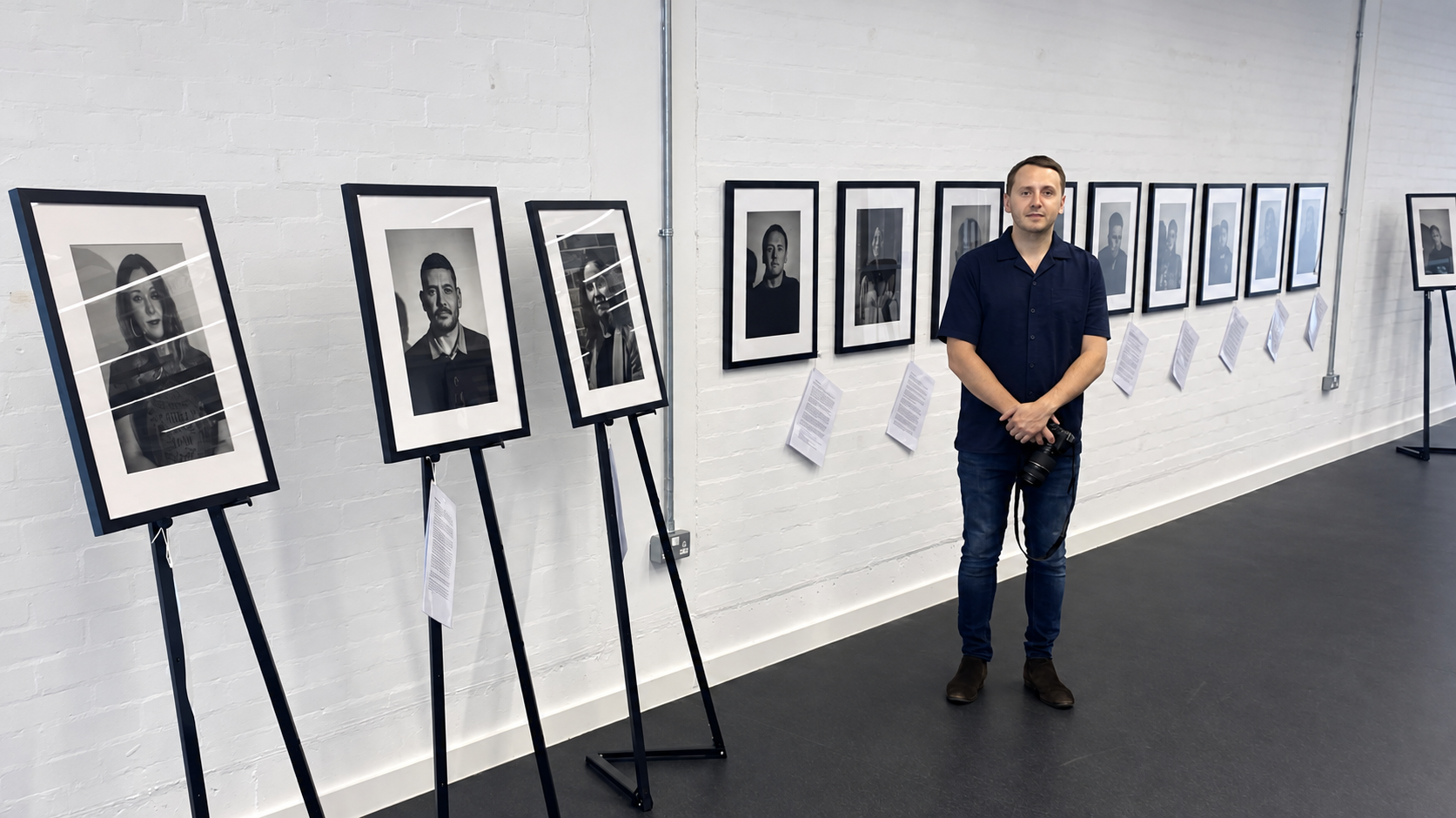
Through exhibitions, a photobook and an expanding online archive, Victorious Voices creates a lasting cultural record of survival, recovery and resistance. By placing these stories within galleries, universities and other shared spaces, the project asks audiences to look, listen and recognise childhood sexual abuse as a social and cultural issue. It makes visible what has too often been hidden and creates space for survivors to be encountered with dignity, complexity and humanity.
THE STORIES
Powerful portraits and personal testimonies.
ABOUT VICTORIOUS VOICES
Our mission and approach.
EXHIBITIONS
Past, current and forthcoming exhibitions.

OUR IMPACT
Changing culture through lived experience.
TAKE PART
Information for adult survivors.
HOST AN EXHIBITION
Bring Victorious Voices to your space
READ WITH CARE
This project contains personal stories of childhood sexual abuse, which some people may find distressing. Please take care when exploring the content, and access support if needed.
-
Our aim is not to uncover every detail of the past, but to recognise what trauma can leave behind. This may include emotional and physical overwhelm, disconnection, difficulties with trust, and survival strategies that once offered protection but can become damaging over time.
Often, it is not only what happened that shapes a life, but everything that follows: the shame, the silence and the years of self-blame. Many CSA survivors come to believe that they were somehow responsible. Healing can begin with a clear and vital truth: you were not to blame. You did not deserve what happened to you.
-
Trauma can create a silent prison within the mind and body. The longer that silence continues, the heavier it can become. Naming what happened, in your own words and when you feel ready, can be a powerful act that challenges isolation and opens a path towards healing.
Triggers, flashbacks and overwhelming emotions can disrupt daily life and make it difficult to feel connected to other people. Many survivors cope by avoiding reminders of the trauma. This is an understandable survival response, but over time it can make life feel smaller and deepen isolation.
Carrying painful experiences alone can drain energy, weaken motivation and erode a person’s sense of self. Healing does not require public disclosure. It can begin by acknowledging the truth privately: what happened was real, and it was not your fault.
-
Trauma cannot be undone, and there is no simple cure that can erase what happened. But its effects are not fixed. The imprint trauma leaves on the mind and body can change over time.
Healing is not about forgetting the past. It is about reclaiming your life and gradually rebuilding a sense of safety within yourself. This might involve recognising triggers, learning to remain grounded in the present and reconnecting with your own power, purpose and sense of possibility.
The journey is rarely straightforward, and it will look different for everyone. This work can be difficult, but change is possible. No one should have to make that journey alone.
-
Healing requires more than strength. It also requires compassion, particularly towards yourself. Many survivors of childhood sexual abuse spend years judging the ways they coped or feeling ashamed of what they did to survive. But survival is never something to be ashamed of.
Mindful self-leadership means learning to notice your thoughts, emotions and reactions with curiosity rather than judgement. It is not about fixing yourself or denying what you feel. It is about understanding your responses and guiding yourself forward with greater clarity and care.
Over time, this can mean making choices that support your wellbeing, protect your boundaries and reflect what truly matters to you. Healing often begins when we stop fighting our story and learn to walk alongside it with kindness.
VICTORIOUS VOICES IS A CULTURAL PROJECT, NOT A CRISIS SUPPORT SERVICE
Victorious Voices is a photography and cultural project. If you need urgent support, please visit a trusted organisation.